The hotel changed flags eight months into our contract
A flag change eight months into a contract can reset your meeting terms, so check the new operator's recognition of your group agreement.
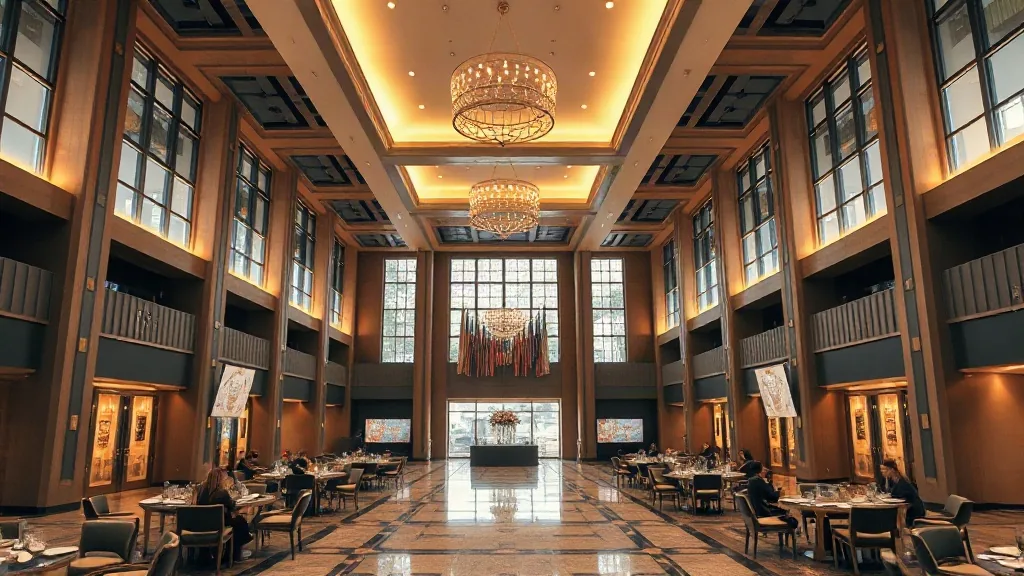
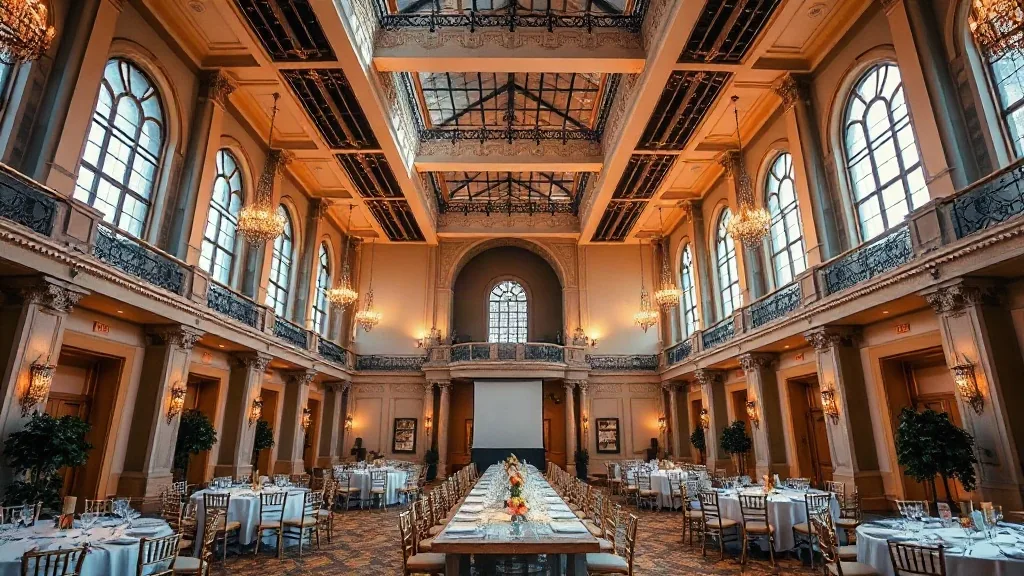
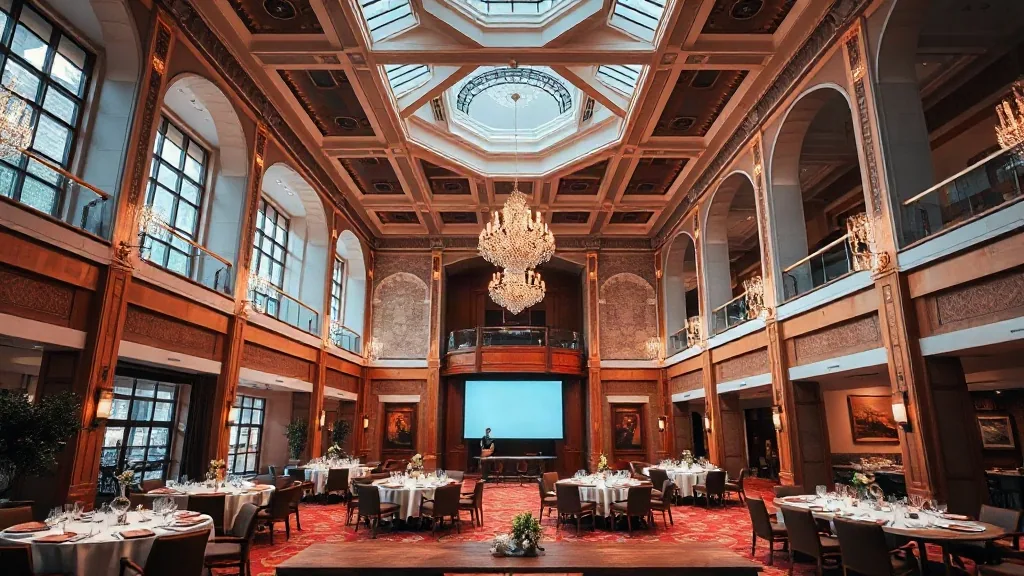
The conversion letter landed on a Friday in March, 11 weeks before a 640-person national sales meeting was due to load in. The hotel we’d signed in July was now a different flag. Same address on Stemmons Freeway. Same ballroom. New logo on the door, new loyalty program at the desk, and a new director of sales who had been in the chair nine days and had never seen our contract. Our client had already told 640 people they’d earn points toward next year’s trip.
I sold group space for seven years before I went independent, and I’ve now reviewed enough of these letters to know the shape of what follows.
What I assumed when the flag on the door was still the flag in my contract
I spent most of my hotel career on the seller’s side, so I know exactly how much of a group deal rests on things nobody writes down. When I signed that Dallas contract, the brand meant three things to me beyond the sign. Points the client could actually spend. A meeting space standard I could describe to the client without measuring it myself. And a a national sales contact in a regional office who had my back because our deal was on her number.

The loyalty piece was the one I was most confident about. Brand programs typically carry a clause that reservations made under the old program are honored after a conversion, so I assumed we were covered. What I’d missed is that “honored” often means the stay still posts, not that it posts at the rate we promised the client. Contracts are usually negotiated on a points-per-dollar figure that got set by the old brand. The new flag has its own.
I’ll say the good version first, because it happens: conversions are sometimes an upgrade. I’ve had a flag change rescue a tired asset, with a $30M renovation attached and a better breakfast. If your meeting is 18 months out, hotels and resorts that are mid-repositioning can come out ahead on room product alone. That wasn’t our situation. We got a new logo and a lobby sign.
What actually breaks, and in what order
Here’s the mechanical version, because it’s checkable against your own file. The contract itself almost always transfers with the asset. Management agreements change, ownership changes hands, the brand license gets terminated, and your executed agreement usually survives it, because you contracted with the ownership or management entity and not with the brand. So the paper lives. What dies is everything the paper assumed.
First to go is the national sales contact. She worked for the old brand. When the flag changes, her book goes with it. Nobody at the new flag feels responsible for a promise she made in a regional office that no longer covers your account.
Second is the comp policy. I’ve sold group space under both flags, so I’ll give you the distinction that took me a few years to learn. What survives a conversion is what the contract itself names in its own words. What doesn’t survive is anything that lived in the old brand’s standard or loyalty program, because the new flag never signed up to another company’s standards. My clients’ agreement said “group points posted per the [Brand] loyalty program” and “breakfast included per the [Brand] standard.” Those are references, not line items. The new flag runs its own standard, the front desk told us politely there’s no line for it, and about $21,000 of value went with the old sign. Had the same clause read “breakfast included for every contracted room at no charge, and a $9,500 credit if group points do not post,” I’d have been holding a number instead of a brand name. Same paper, same enforceability, very different outcome. So I rewrite comp language as numbers before signature, every time.
Third is the room product. A conversion often triggers a renovation, and a renovation means 90 of your 400 rooms out of service or a wing closed. That clause you didn’t read about relocation rights suddenly matters.
Last, and worst, is the loyalty promise. That’s the one the client remembers. I’ve seen groups discover three weeks out that their attendees will post at a lower rate, and at that point it’s not a hotel problem. It’s a planner problem.
The bill when nobody reads the letter closely
My Dallas group stayed. It cost us about $9,200 in make-goods to soften the points gap, plus two site visits I hadn’t budgeted because the client wanted to see the “new” hotel before committing their leadership team.

The harder cost was people. I had 640 attendees, 12 of them on the client’s executive team, and I’d sold a specific experience in the proposal. The room was fine. The carpet was the same carpet. But the continental breakfast moved from included to a $19 per person charge, and that line showed up on the master at 640 heads on the opening morning. That conversation happened in the ballroom hallway, not in my office.
The relationship cost is the real one. The client trusts me to have read the thing. If I hadn’t caught the points issue early enough to negotiate a credit, I’d have been the planner who promised something the hotel was never obliged to deliver, because my contract with them says nothing about it.
I’ve written before about the venue contract I almost signed and shouldn’t have, and the pattern is the same. The clause that saves you is never the one you argued about at signing. It’s the one you put in because you’ve watched the version where it wasn’t there.
The clause, the letter, and the window
The clause. I now write a change of brand, change of management, or change of ownership clause into every group agreement, and it does three things. It requires notice within 10 business days of a conversion. It defines a remedy rather than a disclosure, so a flag change earns a stated credit. And it gives me the right to terminate without penalty. That third piece matters, because a clause that requires notice of a problem doesn’t actually give you a way out of it. I also list every brand-specific inclusion by name, in the contract, with a “survives change of brand” line under it.
The letter. When the conversion letter arrives, ask four things in writing. Which loyalty programs will post for my group, and at what rate. Whether any planned renovation will put rooms out of service during my dates. Who now holds the account, with a name and a direct line, not a shared inbox. And which comps in my original agreement the new flag recognizes, itemized. My pharma clients get this fast; my tech clients usually need a nudge, because the new team will assume everything resets.
The window. The new flag’s sales team hasn’t filled your dates yet. For roughly 60 to 90 days after a conversion, they need booked group business to prove the transition is going well and you’re holding a contract at an old-brand rate. That’s the moment to ask for a credit, an upgrade, or a rate hold. Ask in the first two weeks and the transition team is still triaging. Ask at six months and you’re a line item.
The honest answer. Sometimes you walk. If the conversion strips out the loyalty piece entirely, or the renovation overlaps your dates and the new team won’t guarantee the room block, or they won’t put a remedy in writing, walking is the cleaner call. I’ve rebooked three groups at hotels and resorts in Plano and the north Dallas corridor and never regretted it. But renegotiating is usually cheaper, and if the new flag is genuinely putting money into the building, the upgrade can be worth the paperwork.
The point isn’t to assume a conversion is bad. It’s to be the person who read the letter and asked the four questions while you still had a window. To see which brands operate where before you sign, start with the hotels and resorts directory.
Group on the books and a brand change in the pipeline? Headcount and dates, and I can work out what you’re actually holding. Sourcing fresh for 2027 instead, the brief is enough, and the change-of-brand clause goes in the first draft.